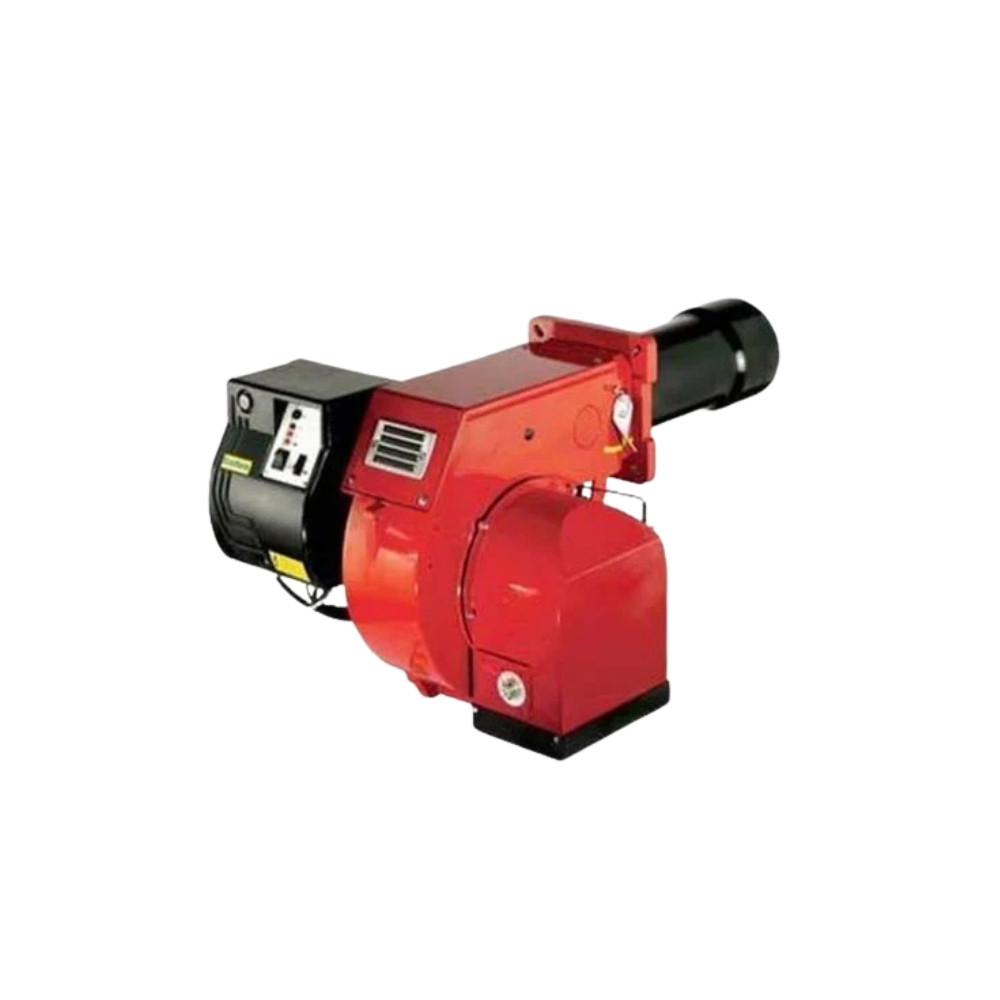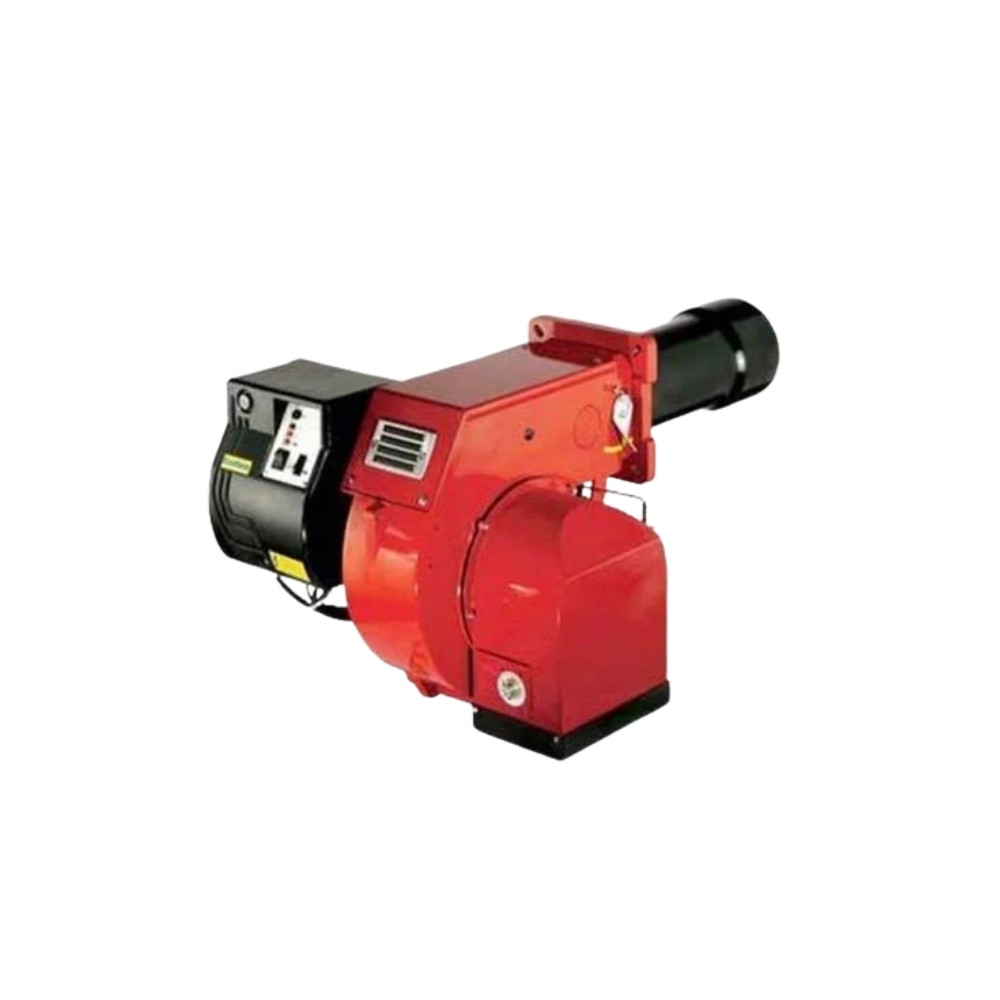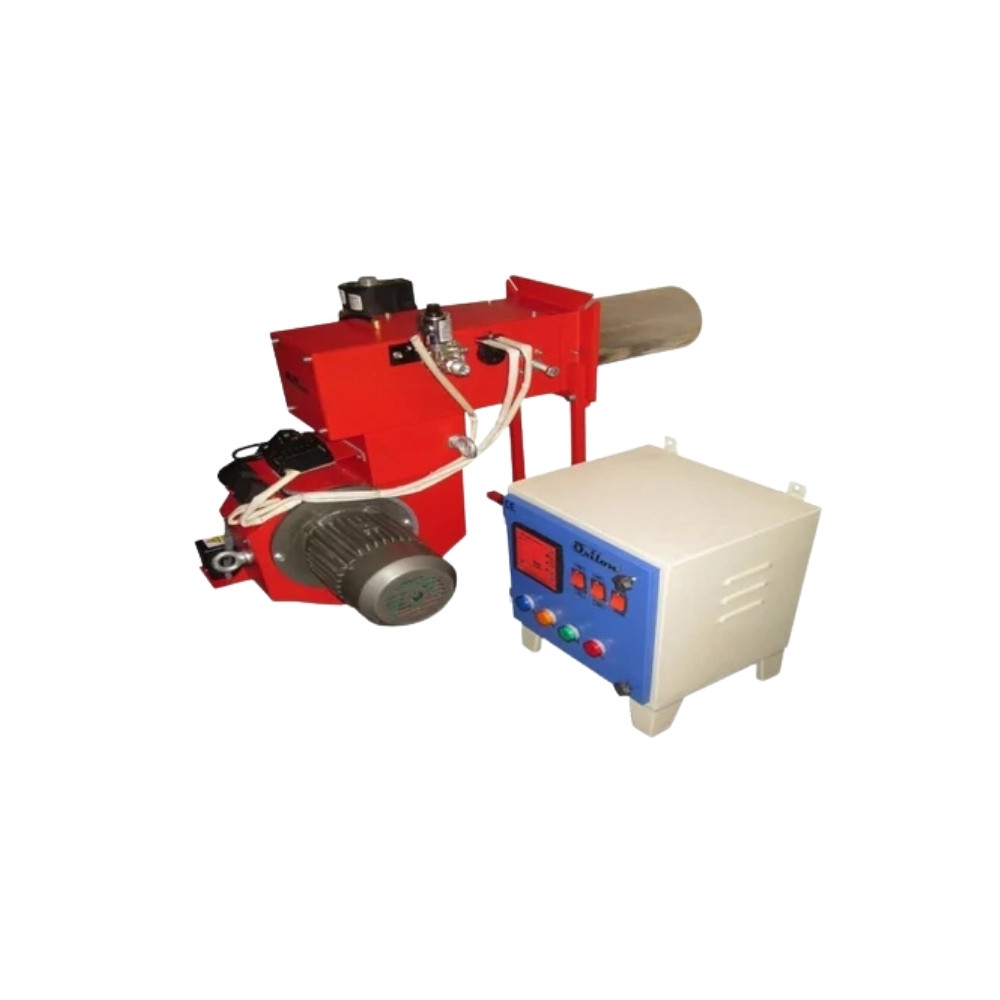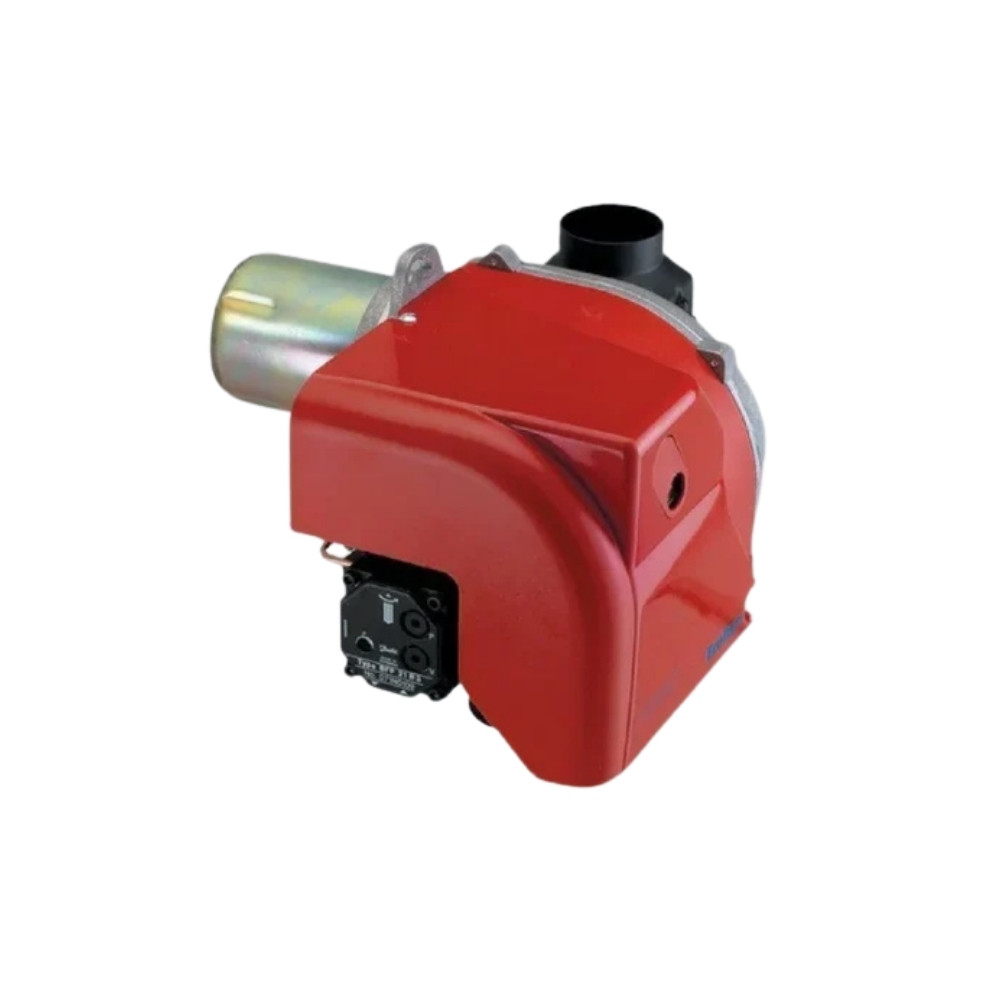
Aluminum Melting Gas Fired Burners: How to Melt Scrap, Ingots & Turning Chips Efficiently
- Select a burner with a capacity range that matches your crucible or hearth load requirements.
- Use gas fuel for soot-free combustion, preserving crucible integrity and reducing aluminum dross formation.
- Maintain a slightly reducing or neutral flame to prevent excess oxygen from oxidizing the molten aluminum.
- Equip the gas burner with a dual-solenoid safety gas train like the Dungs Multibloc to satisfy safety regulations.
Aluminum melting requires high heat input and precise flame controls to avoid metal oxidation. A dedicated gas-fired burner using natural gas or LPG offers a highly clean, efficient, and controllable melting solution compared to oil firing, minimizing ingot slag and maximizing crucible lifespan.
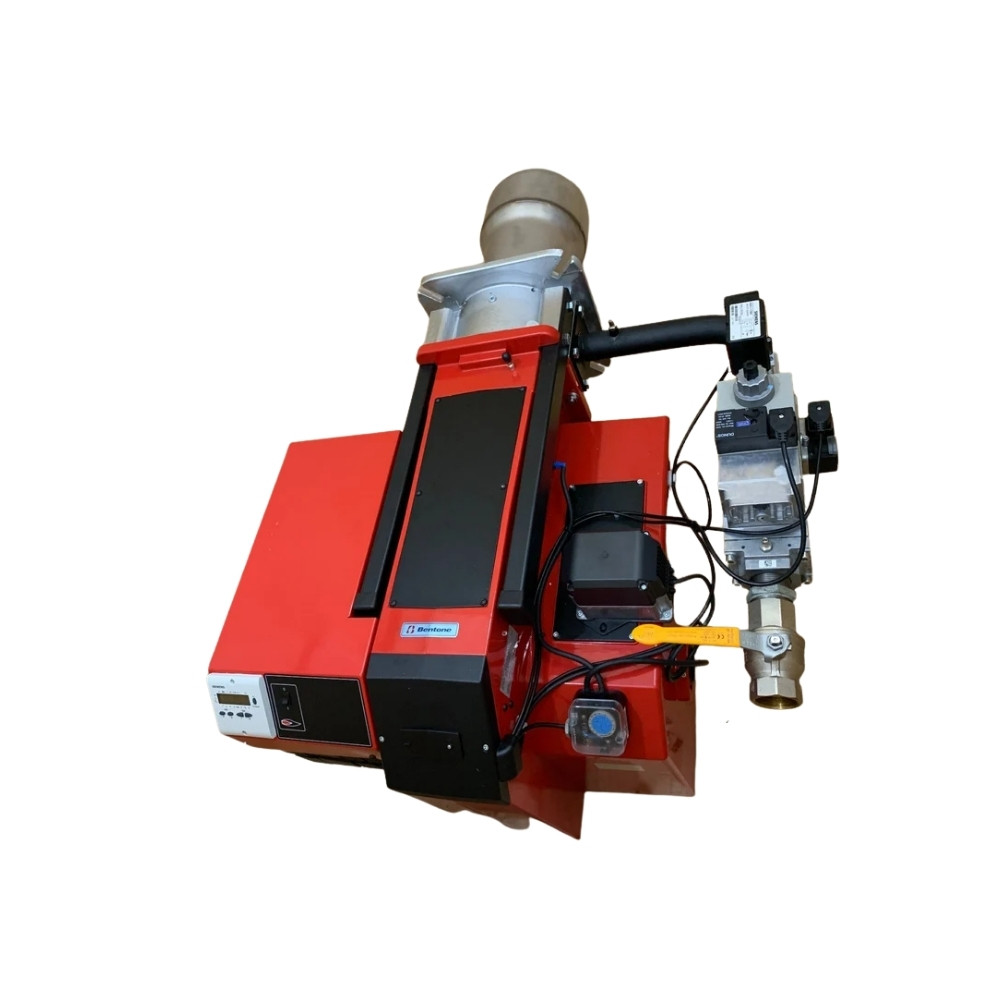
Aluminum melting is a highly thermal-intensive process that requires precise temperature regulation and a controlled combustion environment. Whether you are melting aluminum scrap, solid ingots, or fine turning chips in an industrial furnace, the choice of burner determines your daily gas consumption, melting speed, and the percentage of metal lost to oxidation (dross). Traditional oil burners often create localized hot spots and soot, which deteriorates both the crucible and the metal quality. Converting to a dedicated gas-fired burner is the most cost-effective upgrade for modern foundries.
Why Use a Gas-Fired Burner for Aluminum Melting? Gas-fired burners provide clean, soot-free combustion that prevents sulfur and ash contamination of the molten aluminum. In crucible furnaces, this clean heat ensures that no soot settles on the crucible walls, which maintains optimal heat transfer and extends the crucible's operating life. In addition, gas burners offer far greater temperature control, enabling plant operators to adjust gas pressure and maintain the precise temperature required for aluminum (around 660°C to 720°C) without overheating the melt.
Understanding Flame Control and Metal Oxidation Molten aluminum has a high affinity for oxygen and will oxidize rapidly if exposed to excess air in the combustion chamber. To minimize metal loss (dross formation), the gas-fired burner must be adjusted to maintain a neutral or slightly reducing flame. This is achieved by adjusting the air-fuel ratio at the burner head: 1. Check the exhaust gases: A slight yellow tip in the flame indicates a neutral atmosphere, which is ideal. 2. Avoid excess air: If the air damper is open too far, the excess oxygen reacts with the molten metal, creating a thick layer of aluminum oxide dross. 3. Install a reliable controller: Use a Siemens or Brahma sequence controller to manage the air damper motor and ensure consistent air-fuel ratios.
Operating Tips for Melting Scrap, Ingots & Turning Chips Melting different forms of aluminum scrap requires distinct operating procedures to maximize efficiency: - Melting Ingots: Load solid ingots first at the bottom of the crucible to establish a liquid heel, which improves heat transfer for subsequent charges. - Melting Turning Chips: Loose turning chips have a very high surface-area-to-volume ratio and will burn away into dross if exposed directly to the burner flame. Submerge chips quickly into the molten liquid heel. - Gas Burner Placement: Ensure the burner blast tube is angled tangentially around the crucible rather than pointing directly at it, avoiding thermal shock.
Safety Protocols for Gas-Fired Furnace Operations Operating a gas-fired furnace requires strict adherence to safety standards. Every gas burner installation should feature a gas train with double solenoid safety shutoff valves (such as the Dungs Multibloc or Madas valves), a low gas pressure switch, and an air pressure switch to shut down the gas line instantly if the blower fan fails. The burner flame must be monitored continuously using an ionization rod or a UV photocell (like the Siemens QRA2) connected to a flame safeguard controller.
Burner Spare Part Comparison Table
| Feature | Gas-Fired Melting Burner | Oil-Fired Melting Burner |
|---|---|---|
| Fuel Source | PNG / LPG / Natural Gas | LDO / Furnace Oil |
| Slag & Dross Formation | Very Low (Clean combustion) | High (Soot and sulfur contamination) |
| Temperature Precision | Excellent (Fine pressure adjustments) | Moderate (Nozzle flow restrictions) |
| Maintenance Interval | Monthly gas filter cleaning | Weekly nozzle/preheater cleaning |
We operate an aluminum casting workshop in Kadi. Converting our melting furnaces from LDO burners to Gajanand's aluminum-melting gas burners has cut our metal loss by 12% and reduced crucible replacement frequency.— Rajesh Patel, Foundry Owner, Patel Castings, Kadi
Frequently Asked Questions
What is the best fuel for melting aluminum?
Natural gas (PNG) or LPG is the best fuel because they burn cleanly, produce no soot or ash, and allow for precise temperature adjustment to prevent metal oxidation.
Where can I source a replacement gas burner for aluminum melting in Ahmedabad?
You can purchase a premium, mild-steel aluminum melting gas fired burner directly from Gajanand Engineering & Services in Ahmedabad.
How do I prevent dross formation when melting aluminum?
Maintain a neutral or slightly reducing flame by adjusting the air-fuel ratio on your Gajanand aluminum melting gas fired burner to prevent excess oxygen in the furnace.
Need a Genuine Aluminum Melting Gas Fired Burner?
Get the best B2B wholesale prices from Gajanand Engineering And Services — trusted by Indian utility plants since 2012. Genuine OEM parts, direct GST tax invoicing, and pan-India express road transport.
Sukhdev founded Gajanand Engineering And Services in 2012 and has over 12 years of hands-on technical expertise calibrating, servicing, and supplying industrial combustion systems and original boiler spares across Gujarat and India.
Request Quotation & Callback
Request commercial wholesale rates or technical guidance for the **Aluminum Melting Gas Fired Burner**.